


Pre-Purchase Inspections

Buy with Confidence

Buying a property is one of the biggest financial decisions most people make.

Many serious defects are not visible during an open inspection. 

Structural movement, water ingress, timber decay, poor workmanship and safety hazards can stay hidden until after settlement, when the repair bill becomes yours.

A pre-purchase building inspection from Great Southern Building Inspections gives you or your client the independent facts they need before they commit. 

It’s a full defect check that flags structural problems, damage and safety issues in one report. Every inspection is visual and non-invasive, carried out to Australian Standard AS 4349.1.

What's included in a building inspection?

Every accessible area of the property is inspected. In short, that covers:

  • Structure – foundations, cracking, movement, settlement and stability.
  • Moisture – roof leaks, rising damp, drainage and timber decay.
  • Exterior – walls, brickwork, render, cladding, roof, gutters, windows and doors.
  • Interior – ceilings, walls, floors, linings, wet areas, stairs and balustrades.
  • Roof space and subfloor – framing, trusses, bearers, joists and ventilation, where safely accessible.
  • Safety – smoke alarm and safety switch presence, plus obvious hazards.
  • Outside structures – garages, sheds, decks, retaining walls and drainage within 30 metres of the home.

What a buiding inspector looks for

A building inspection helps your or your client:

  • Find major structural defects and smaller problems before they turn into costly repairs.
  • Spot water penetration, moisture, movement and cracking.
  • Identify safety hazards and understand the property’s overall condition.
  • Negotiate on price with real information and avoid unexpected repair costs after settlement.

Even near-new homes can carry construction defects or incomplete work. Age alone is no guarantee of quality.

Your building inspection report, within 24 hours

After the inspection, your client receives a comprehensive digital report, usually within 24 hours.

It includes written findings, clear colour photos, the significant defects, maintenance items, safety concerns, and recommendations for any specialist follow-up.

It's written in plain English so the property's condition is easy to understand.

Selling? Get ahead of it with a pre-sale inspection

A pre-sale inspection is the same inspection, done before your client lists.

It gives the seller a clear picture of the property's condition up front, so there's time to fix issues or price with the defects in mind, and fewer surprises when the buyer's inspector turns up.

Same report, same standard, just earlier in the process.

What's not included

A pre-purchase inspection is visual and non-invasive.

It doesn't involve cutting into walls, lifting floor coverings or moving furniture, and it doesn't cover timber pests, electrical, plumbing or gas systems, pools, or asbestos and other environmental testing.

Where something needs a specialist, the report says so.
How much does a building inspection cost?

Pre-purchase building inspections start from $285. The final price depends on the size, age, location and complexity of the property, and there are no hidden charges. Contact us for an obligation-free quote tailored to the job before we get on site.

The Full Building Inspection Checklist

Foundation movement, structural cracking, settlement, distortion, deflection, sagging, bulging, stability concerns, undulating floors, uneven surfaces, separation of building elements.

Roof leaks, water penetration, rising damp, moisture intrusion, drainage issues, surface water management, ventilation deficiencies, signs of previous water damage, timber decay (rot).

External walls, brickwork, render, cladding, mortar deterioration, brick fretting, flashings, windows, doors, fascias, barges, eaves, gutters, downpipes, roof coverings, skylights, roof penetrations, valley gutters.

Ceilings, walls, floors, doors, windows, internal linings, plasterwork, paint finishes, cabinetry, bench tops, tiling, wet areas, stairs, balustrades, handrails.

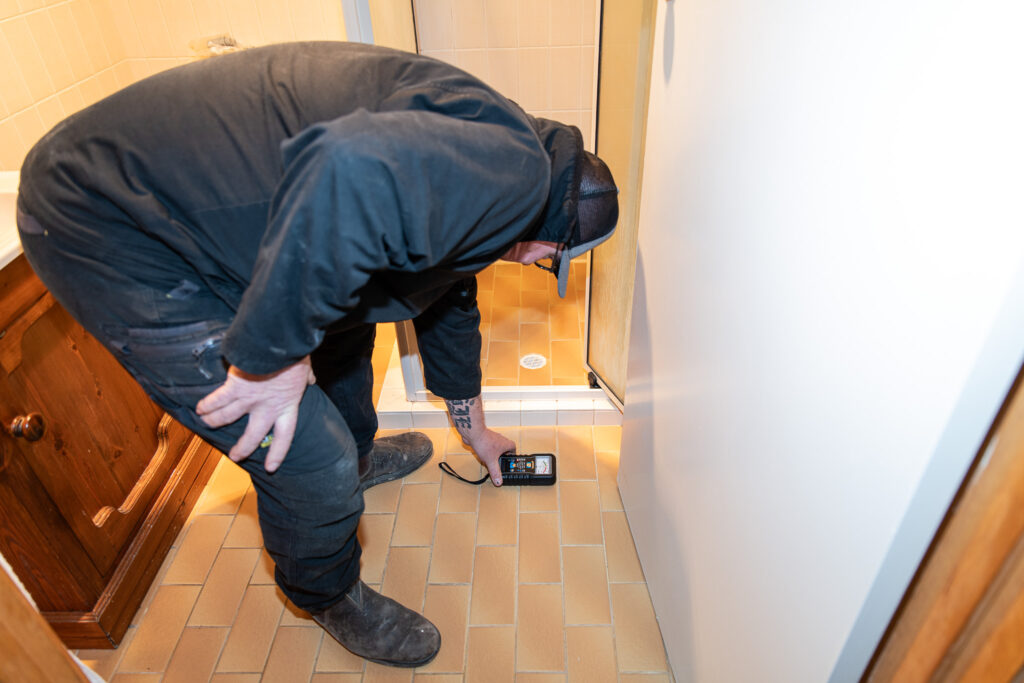
Bathrooms, ensuites, toilets, laundry, kitchen, shower recesses, baths, basins, plumbing fixtures, taps, moisture detection, waterproofing performance (visual indicators only).

Where it is safe and accessible, we inspect roof framing, roof trusses, rafters, ceiling framing, sarking, insulation, ventilation, downlight clearances, evidence of leaks, timber deterioration.

Where it is safe and accessible, we inspect timber framing, bearers, joists, stumps and piers, moisture, ventilation, drainage, timber condition, structural movement.

Smoke alarms (presence only), safety switch / RCD (presence only), obvious electrical safety concerns, trip hazards, unsafe balustrades, general safety hazards. Functional testing of electrical, plumbing or gas systems is outside the scope of a standard building inspection.

We inspect structures within about 30 metres of the dwelling and inside the boundaries. Garages, carports, sheds, detached laundries, pergolas, verandahs, patios, decks, balconies, retaining walls, fencing, paths, driveways, surface drainage.

Structural cracking, movement, settlement, water penetration, roof leaks, timber decay, corrosion, dampness, rising damp, inadequate ventilation, poor drainage, deteriorated mortar joints, brick fretting, delaminating materials, defective render, drummy wall and floor tiles, bulging walls, sagging roof framing, defective internal linings, swollen building materials, moisture damage, maintenance issues, safety hazards.

What's not included: full exclusion

Inaccessible, unsafe or obstructed areas. Concealed defects behind walls, ceilings, floors, insulation, stored goods or fixed furnishings. Furniture and stored materials are not moved. Underground services and concealed pipework. Underground drainage, sewer and stormwater. Septic tanks, soakage trenches and treatment systems. Swimming pools, spas and equipment. Irrigation systems. Water tanks and pumps. Water quality or pressure testing. Gas installations and appliances. Electrical wiring, switchboards, circuits or appliances (beyond noting obvious visible defects and readily visible safety devices). Solar power, battery and solar hot water systems. Air conditioning, heating, ventilation and refrigeration. Home automation. Security systems, alarms, CCTV and intercoms. Telecommunications and data cabling. Fire detection beyond noting smoke alarm presence. Lifts and mechanical equipment. Household appliances. Built-in entertainment systems.

No engineering assessments, structural calculations, foundation design, geotechnical investigation, soil testing, load testing, or destructive or invasive investigation. No removal of floor coverings, wall linings, ceiling finishes or roof sheeting.

This inspection does not include a timber pest inspection. Unless specifically commissioned, no assessment is made of termites, borers, fungal decay, timber pest damage, or conditions conducive to timber pest attack. A separate timber pest inspection should be undertaken in accordance with AS 4349.3.

Moisture readings may be taken where appropriate, but the inspection is not a specialist leak detection investigation. It does not determine the exact source of moisture, the duration of water penetration, whether moisture is active or historical, or waterproofing compliance.

Inspected only where safe access is available. May be excluded where access openings are too small, insulation prevents safe inspection, stored items obstruct access, unsafe conditions exist, or clearance heights don’t comply with Australian Standard access requirements.

Inspected only where specifically included in the inspection agreement and readily accessible.

No assessment of asbestos, lead paint, mould or air quality, methamphetamine contamination, hazardous chemicals, radiation, noise, environmental contamination or electromagnetic fields.

The inspection does not predict remaining service life of components, future structural movement, future water penetration, future maintenance costs or future material performance.

No responsibility for defects that were concealed at the time of inspection, could not reasonably be detected during a visual inspection, develop after the inspection date, or become apparent due to future weather events or changes in occupancy.